Shopping in Fort Worth and torn between a polished, move-in-ready home and a project with potential? You’re not alone. With more inventory and slightly longer days on market, you have room to weigh condition, costs, and timing before you commit. In this guide, you’ll get a clear framework to compare turnkey homes with fixer-uppers, including local costs, permits, financing options, and a step-by-step decision checklist. Let’s dive in.
Turnkey vs fixer-upper: what it means
A turnkey home is move-in ready with no major updates needed. You pay for convenience, predictability, and speed. A fixer-upper trades immediate comfort for potential equity and customization, but it requires time, cash, and project management.
Both can be smart buys in Fort Worth. The right choice depends on your budget, timeline, appetite for renovations, and what comparable homes in the neighborhood are selling for once updated.
Fort Worth market: why condition matters now
Recent reports show the typical Fort Worth home value around $292,000, a median sale price near $329,900, and days on market that often stretch 60 to 70 days in early 2026. County-level listing prices hover around the mid-$300s. In plain terms, the market has cooled from peak frenzy, which can give you more time to plan, negotiate, and structure offers that account for renovation costs.
Neighborhood and price tier still matter. Newer suburban corridors can move faster, while older areas with cosmetic or structural needs may sit longer. That can create an opening for buyers who are ready to renovate. Always check recent comparable sales for updated homes to understand your after-repair value.
Costs and timelines you can expect
Renovation scope drives both budget and timing. Here’s a quick way to frame it.
Light cosmetic updates
- Examples: interior paint, new flooring, hardware, lighting, simple repairs.
- Timing: days to a few weeks.
- Cost: lower. Good for freshening a solid house quickly.
Midrange projects
- Examples: kitchen refresh, bathroom upgrade, HVAC tune or replacement, windows.
- Timing: several weeks to 2–3 months depending on scope and scheduling.
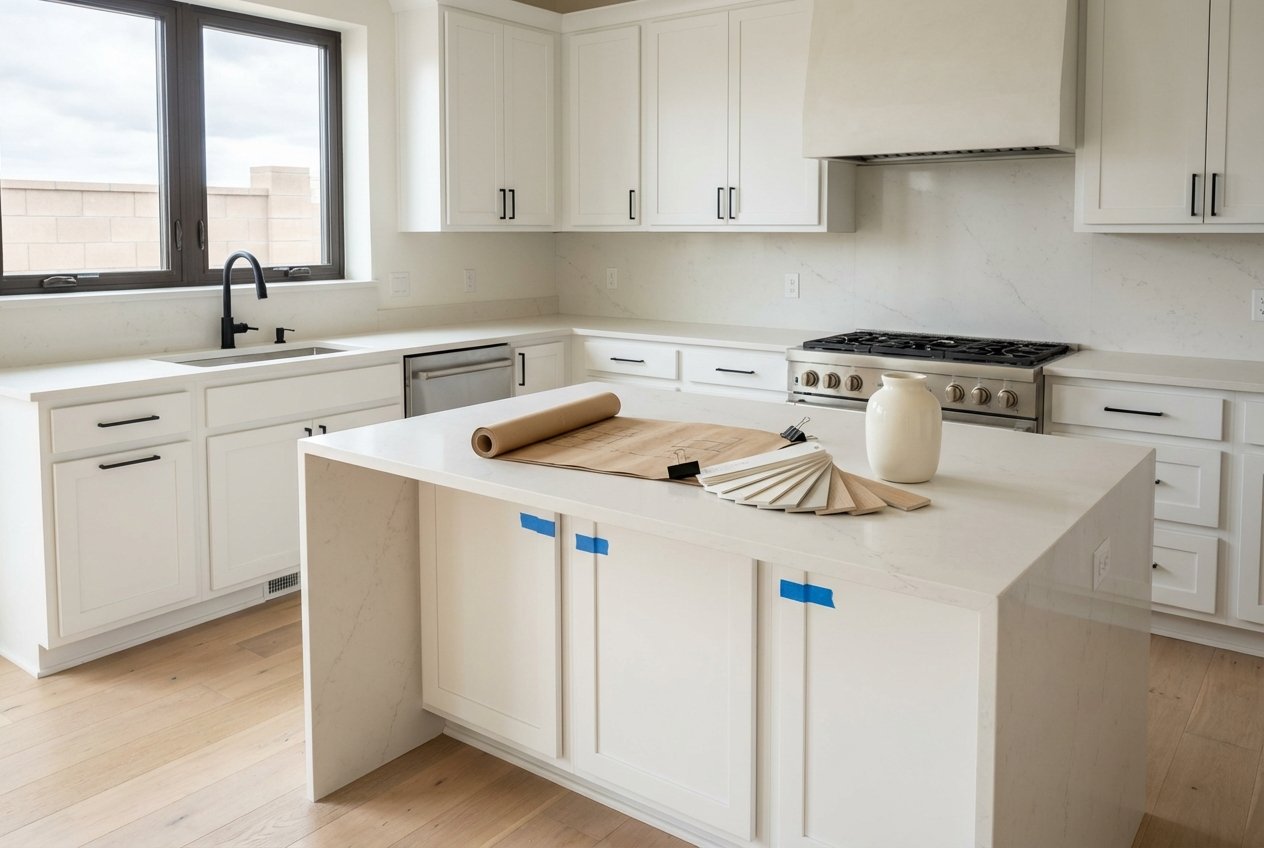
- Cost: moderate. A typical kitchen remodel often runs about $15,000 to $42,000, and construction usually takes 6 to 10 weeks, not counting planning and selections. See ranges on the HomeAdvisor kitchen guide for context: common kitchen remodel costs and timelines.
For bathrooms, Fort Worth ranges often fall around $6,000 to $38,000 depending on size and scope. Get local bids to dial in your estimate and timeline. Review a local snapshot of Fort Worth bathroom remodeling costs.
Major structural work
- Examples: full kitchen gut, multiple bathroom rebuilds, structural changes, roof and mechanical replacements, foundation repair.
- Timing: several months. Expect design, permitting, inspections, and sequencing to add time.
- Cost: higher. Foundation repairs in DFW commonly range from the low thousands to the low tens of thousands depending on severity. For a sense of scale, see a regional overview of foundation repair costs.
What pays back best at resale
Data from Remodeling’s Cost vs Value shows smaller, targeted projects often recoup a larger share at resale than full gut renovations. Minor kitchen work and strategic curb appeal projects can be standouts. Use regional comps and the Cost vs Value report to gauge likely payback in your target neighborhood.
Permits, historic rules, and inspections
When Fort Worth requires permits
Fort Worth typically requires permits for structural changes or any work involving mechanical, electrical, or plumbing. Cosmetic items like painting, floor coverings, and cabinet surface replacements are often permit-exempt. Always confirm current requirements on the city portal for permits and applications.
Plan review times vary by scope and backlog. Simple permits can be fast. Small remodels often see 1 to 4 weeks for plan review. Build that into your schedule.
Historic districts and exterior changes
If the home is in a local historic district or is a designated landmark, you must get a Certificate of Appropriateness for any exterior change before a permit is issued. This can add time and design parameters, so check early. Learn more about Fort Worth historic preservation and COA requirements.
Foundation and soil realities
North Texas’ expansive clays can stress foundations, especially in older areas or during wet-dry cycles. A structural or foundation evaluation is a smart add-on in your inspection phase. For context, see an overview of expansive soil behavior.
Financing a fixer in North Texas
Single-close renovation loans
You can roll repair costs into one mortgage with programs like FHA 203(k), Fannie Mae HomeStyle Renovation, or Freddie Mac CHOICERenovation. FHA 203(k) requires more documentation, contractor bids, and draw inspections, and larger projects need a HUD-approved consultant. Learn the basics at HUD’s page for FHA 203(k) renovation loans.
Renovation loans often take longer to close than a standard mortgage. Expect roughly 45 to 60 days and plan for detailed scopes, schedules, and an as-completed appraisal. Choose contractors familiar with lender draw schedules to avoid delays.
Other ways to pay
For smaller jobs, you might use cash, a HELOC, or a home equity loan. Each option has tradeoffs in rates, fees, and qualification. Get contractor bids first so you can match your financing to your real project scope.
Choosing contractors with confidence
Vetting checklist
- Verify insurance, and if they have employees, ask about workers’ comp.
- Confirm trade licenses for plumbing, electrical, and HVAC. You can search plumbers at the Texas State Board of Plumbing Examiners.
- Ask for a physical business address and at least three recent local references.
- Request itemized, line-item bids with allowances, a draw schedule, and timelines tied to inspections.
- Build a 10 to 20 percent contingency into your budget for unknowns.
Red flags to avoid
- High upfront deposits or cash-only requests.
- Vague bids without materials, labor, or allowances detailed.
- Unwillingness to pull permits when required or provide lien waivers.
- Pressure to sign quickly without time to compare bids.
If you encounter concerns, the Texas Attorney General outlines consumer protections and steps to report scams. Review the AG’s guidance on avoiding home-repair scams.
Will the numbers work? Simple ARV check
Before you write an offer on a fixer, estimate your after-repair value using nearby sales of renovated homes. Then run a quick margin check.
- Purchase price as-is: $300,000
- Estimated renovation cost: $60,000
- Closing and carrying: $8,000
- ARV from comps: $390,000
- Net scenario: $390,000 − ($300,000 + $60,000 + $8,000) = $22,000 before selling costs
If the margin is thin, consider reducing scope, negotiating price or credits, or choosing a turnkey home that already meets your needs.
When a turnkey makes more sense
- You need to move quickly and avoid project risk.
- Your budget cannot stretch to cover both a down payment and renovation contingency.
- Comps show limited upside for heavy renovations in your target neighborhood.
- You value predictable costs, minimal disruption, and immediate comfort.
When a fixer can be a winner
- You have a clear scope that fits a realistic budget and timeline.
- Comps support a strong after-repair value with room for costs and a cushion.
- You’re open to phased updates and can live with ongoing work if needed.
- You have access to renovation-friendly financing and contractors who work with draws.
Your step-by-step decision checklist
- Inspection and red-flag screen
- Order a full home inspection. For older homes, add a foundation or structural evaluation and, if needed, sewer, termite, lead, or asbestos checks.
- Get 2–3 itemized contractor bids
- Ask for line items, allowances, permit plans, schedules, and payment milestones. Confirm who pulls permits.
- Estimate ARV and ROI
- Use renovated comps in the same area to set ARV. Subtract purchase price, closing, carrying, and renovation to test your margin.
- Choose financing and timing
- Match scope to financing. Add a 10 to 20 percent contingency and 1 to 2 extra months for permitting and inspections.
- Contract and schedule
- Use a written contract with change-order terms, lien waivers, and a reasonable holdback until final inspection and punch list completion.
Next steps
Whether you lean turnkey or see potential in a project, you deserve a data-backed plan that fits your budget and timeline. If you want a calm, process-driven partner to help you compare properties, build realistic cost scenarios, and negotiate with confidence, connect with Tiffany West. You’ll get clear next steps and white-glove communication from search to close.
FAQs
What should Fort Worth buyers compare when choosing turnkey vs fixer?
- Weigh total costs, permits and timelines, financing options, and the after-repair value supported by recent comps. Choose the path that fits your budget and schedule.
How much does a typical Fort Worth bathroom remodel cost?
- Local ranges often run about $6,000 to $38,000 depending on size and scope. Get multiple local bids to refine your numbers. See a snapshot of Fort Worth bathroom costs.
Do I need permits to replace a kitchen in Fort Worth?
- If work changes plumbing, electrical, or structure, permits are required. Cosmetic refreshes can be exempt. Always confirm details on the city’s permit guidance.
How long does a kitchen remodel usually take?
- Construction commonly runs 6 to 10 weeks for a standard kitchen, plus time for planning and selections. See typical ranges in the HomeAdvisor kitchen guide.
Can I finance renovations with my mortgage?
- Yes. FHA 203(k), Fannie Mae HomeStyle Renovation, and Freddie Mac CHOICERenovation allow you to roll repairs into one loan. Learn the basics of FHA 203(k).
How much contingency should I add to renovation bids?
- Plan for 10 to 20 percent to cover unknowns like hidden water damage or permit-driven changes.
What special risks should I check in older Fort Worth homes?
- Watch for foundation movement due to expansive clay soils, historic-district exterior rules, and neighborhood price ceilings that cap resale. Review local historic preservation rules.
How do I verify a plumber’s license in Texas?