Leave a Message

Thank you for your message. I will be in touch with you shortly.

Prosper’s Master-Planned Communities Explained

December 4, 2025

Are you considering a move-up home in Prosper and hearing a lot about master-planned communities? You are not alone. These neighborhoods shape much of Prosper’s growth, and they come with real advantages, a few trade-offs, and details you want to understand before you buy. In this guide, you will learn what MPCs are, how amenities and rules work, what fees and taxes to expect in Texas, and how to compare new-build options without surprises. Let’s dive in.

What is a master-planned community in Prosper?

A master-planned community, or MPC, is a large neighborhood developed under a comprehensive plan. In Prosper, many new developments follow this model, with phased construction, coordinated landscaping, and shared amenity hubs. Multiple builders often work inside the same plan, all under the same set of rules and design standards.

Why this matters: you get predictable streetscapes, consistent curb appeal, and amenities organized around daily life. Many MPCs are near or include planned retail and public schools, which can reduce drive times and centralize routines.

Amenities and daily life

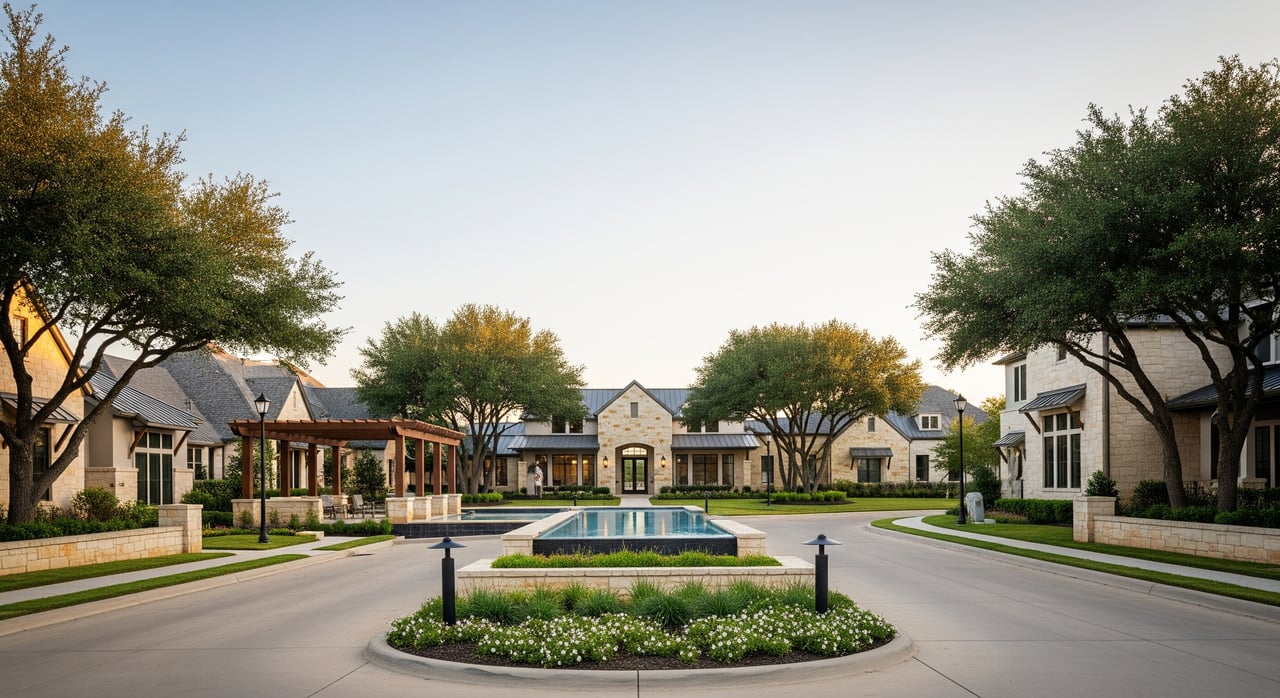
Prosper’s MPCs vary in size, but most include a mix of indoor and outdoor features. The scale of amenities drives fee levels, lifestyle, and even traffic patterns near the amenity hub.

Common amenities to expect

  • Recreation centers and fitness rooms with multi-use spaces.
  • Outdoor pools, splash pads, playgrounds, and picnic pavilions.
  • Sports areas such as fields, tennis or pickleball courts.
  • Trail networks, pocket parks, and greenbelts that connect sections of the neighborhood.
  • Event lawns or amphitheater-style spaces for community activities.
  • On-site or nearby schools coordinated with local districts.
  • Planned retail or commercial pads that bring services close to home.

Service levels and programming

Some communities offer robust event calendars, classes, and on-site staff. Others keep it simple and focus on maintenance only. Higher service usually means higher ongoing costs. If you want frequent events and a staffed center, plan for that in your monthly budget.

Lifestyle considerations

  • Convenience: amenities in one place reduce driving and help neighbors connect.
  • Appearance: HOAs typically uphold landscaping and exterior standards.
  • Privacy and traffic: amenity hubs and retail can increase local traffic. Lot placement and buffers matter if you prefer more privacy.

Governance, fees, and taxes in Texas MPCs

Understanding how MPCs are organized helps you plan your monthly carrying costs and your long-term flexibility.

HOAs and community rules

Most Prosper MPCs have a master HOA and, at times, sub-associations for certain sections. Governing documents include CC&Rs, bylaws, and design guidelines enforced by an architectural review committee. These documents guide exterior appearance, fencing, landscaping, parking, and use policies.

What this means for you: rules create predictability and a consistent look, but they also limit what you can change outside your home. Review them early.

HOA fees and special assessments

HOA dues typically cover common-area landscaping, amenity upkeep, insurance for shared property, reserves for future repairs, and sometimes security and resident programming. Billing can be monthly, quarterly, or annual. There may be transfer or initiation fees at closing.

Special assessments can occur in newer neighborhoods if large repairs or unplanned costs arise. Ask for the current budget, reserve study if available, and any recent assessment history. Strong reserves reduce the chance of future surprises.

MUDs and the Texas tax structure

In many Texas suburbs, including parts of Collin County, developers use Municipal Utility Districts, or MUDs, to finance water, sewer, roads, and related infrastructure. MUDs levy property taxes to repay bonds, which are paid in addition to city, county, and school taxes.

Key takeaways for your budget:

  • MUD taxes increase your annual property tax bill until bonds are reduced or retired.
  • Effective tax rates vary by property and district. Always confirm the rate for the exact lot or address.
  • Higher upfront tax levels can affect early-year affordability even if a base tax rate looks similar to another area.

Rules affecting use and resale

Some HOAs limit short-term rentals or cap the percentage of homes that can be leased. Exterior standards often govern paint colors, fence materials and height, outbuildings, RV or boat storage, and landscaping. These rules protect neighborhood appearance, which may support values over time, but they also affect your future plans for renovations or leasing.

New-build paths in Prosper MPCs

You will likely see three purchase paths inside Prosper’s master-planned communities. Each comes with different timelines, customization levels, and pricing.

Option 1: Model or spec homes

Quick-move-in homes are already built or near completion. You get a faster timeline with fewer choices. Expect standard plans, preset finishes, and occasional incentives tied to preferred lenders or closing dates.

Typical timeline: about 4 to 12 months depending on stage and builder.

Option 2: Build-to-order pre-sales

You select a lot, choose a plan, and personalize finishes. Lot premiums apply to features like corners, cul-de-sacs, greenbelts, or amenity views. The timeline is longer and the budget should include change-order flexibility.

Typical timeline: roughly 6 to 12 months or more, depending on weather, inspections, and supply chain timing.

Option 3: Custom builds on estate lots

A smaller number of sections offer custom options with unique designs and larger lots. Expect longer build times and higher costs with more decisions to manage.

Typical timeline: about 12 to 18 months or more, depending on scope.

Milestones, risks, and protections

  • Design reviews: builders must follow community design standards and ARC approvals.
  • Warranties: most builders offer a 1-year workmanship warranty plus limited longer-term coverage on systems. Always get warranty documents in writing.
  • Deposits and contingencies: understand deposit amounts, financing contingencies, and change-order rules so you can estimate final costs and timing.
  • Fees and premiums: confirm lot premiums and any passed-through infrastructure or impact fees that may not be in the base price.

Lots, homes, and design trends

Prosper MPCs are designed to offer choice. You can expect a range of lot sizes, home types, and styles.

  • Lot sizes: attached or townhome sections can start near 30 to 40 feet of frontage. Standard single-family lots commonly run 40 to 60 feet. Select sections offer 70-foot-plus or larger estate lots.
  • Home sizes: many move-up buyers target 2,000 to 4,500 square feet or more with 3 to 5 bedrooms, multiple living areas, and flexible spaces like a study, media, or game room.
  • Layouts: both one-story and two-story plans are common. Single-level options may appear more often on larger lots.
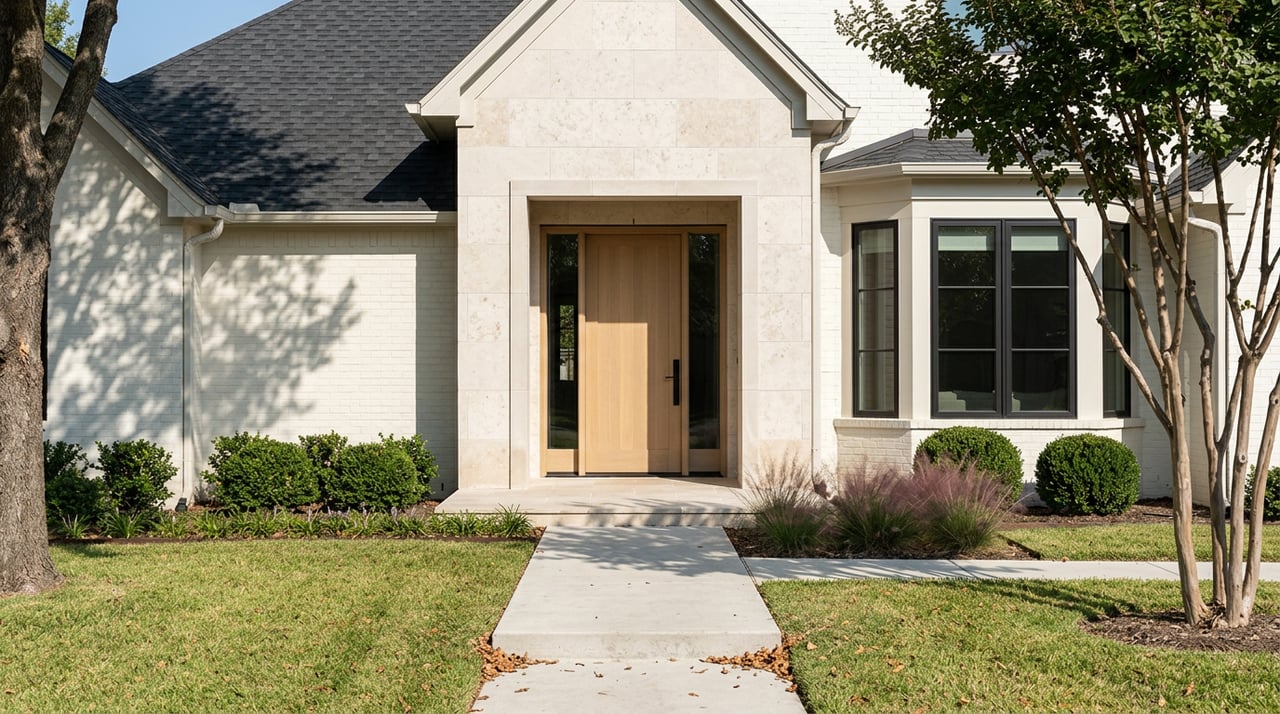
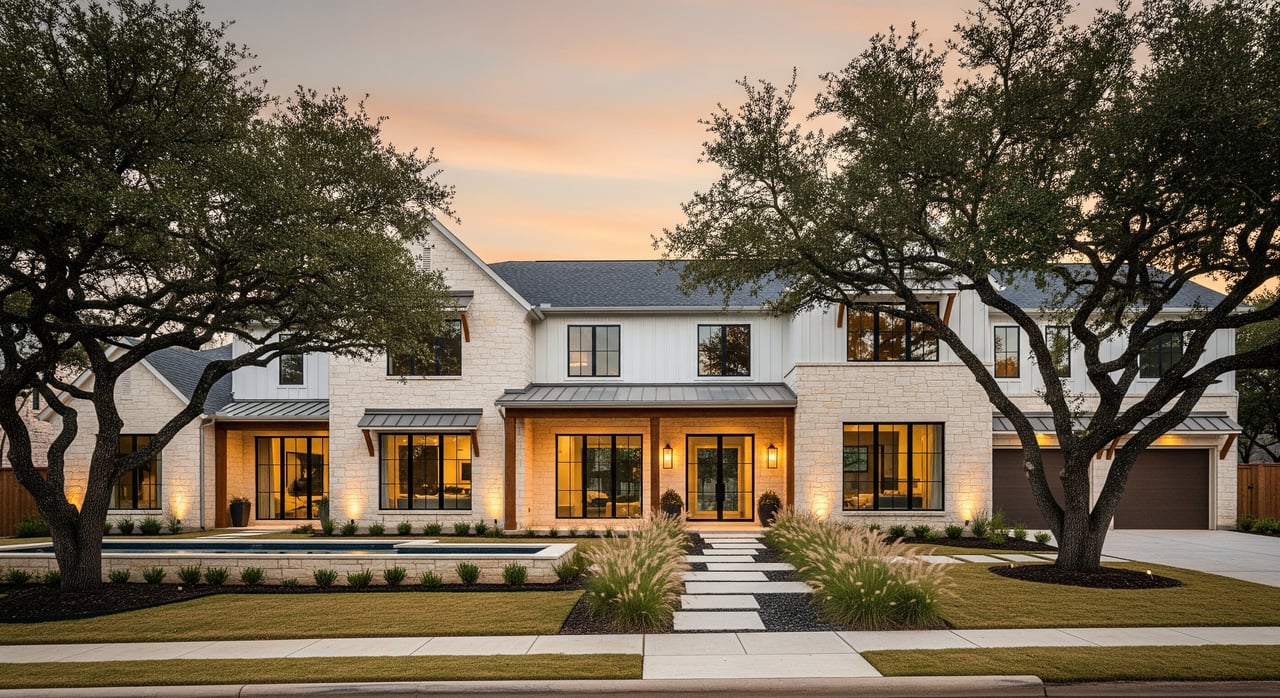
  • Styles and materials: modern farmhouse and transitional designs are prevalent, with combinations of brick, stone, and board-and-batten, plus curated porch details.
  • Energy and tech: look for energy-efficient windows, LED lighting, tankless or high-efficiency water heaters, programmable thermostats, and smart-home pre-wiring. Some builders offer solar-ready features.
  • Parking: two- and three-car garages are typical. Alley-loaded garages and driveway lengths vary by section and influence street parking and curb appeal.

Trade-offs to consider

Every community involves choices. Focus on how each factor affects your day-to-day life and your total monthly cost.

  • Amenities vs. dues: richer amenities often mean higher HOA fees. Consider how often you expect to use them.
  • Customization vs. time and budget: more personalization usually takes longer and can cost more. Spec homes trade choice for speed.
  • Lot quality vs. price: premium locations add cost but can improve privacy and long-term appeal.
  • MUD and taxes vs. affordability: MUD taxes can raise early-year carrying costs. Confirm the total rate for your specific address.
  • Predictability vs. flexibility: strong rules protect look and feel, but limit exterior changes.

A practical checklist for comparing Prosper MPCs

Use this list to gather apples-to-apples information before you decide.

  • Confirm total annual property taxes for the exact lot or address, including city, county, school district, MUD, and any special districts.
  • Get the current HOA dues and a clear list of what they cover: landscaping, amenity staffing, security, reserves, and programming.
  • Request the HOA budget, reserve study if available, and any recent or pending special assessments.
  • Review rental and short-term rental policies if leasing is a possibility now or later.
  • Clarify builder warranty coverage, how to submit claims, and service timelines.
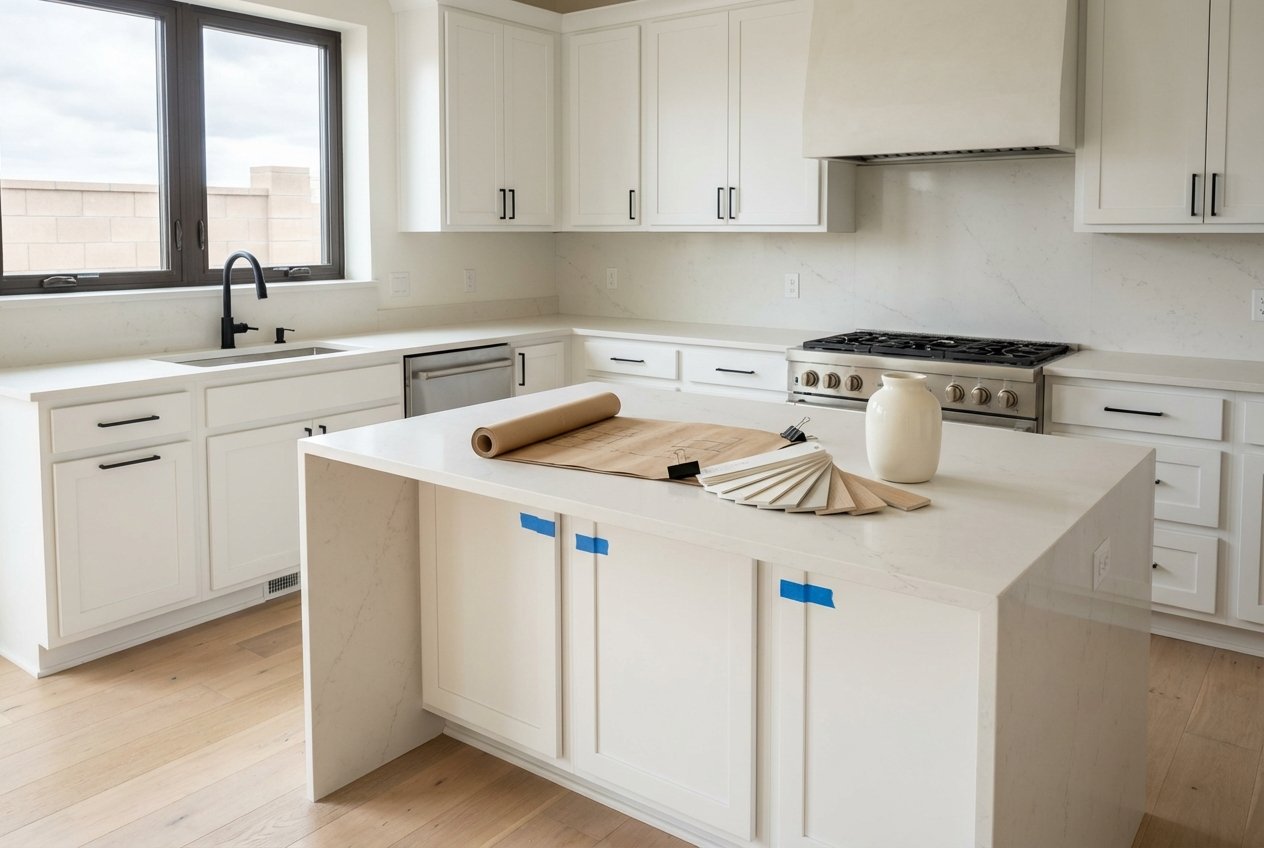
  • Walk model or spec homes to check standard finish levels and brands. Ask for an allowances list to understand what is included in the base price.
  • Read the design guidelines and ARC rules, especially if you plan exterior changes like a pool, patio, or new fence.
  • Ask for the amenities phasing schedule. Confirm what will be complete when you move in and what is planned later.
  • Confirm school assignments with the local district and any planned school construction nearby.
  • Ask about traffic patterns and nearby commercial plans that could affect noise or convenience.

How to shop Prosper MPCs with confidence

The best results come from combining lifestyle fit with disciplined due diligence. Start by ranking what matters most to you, such as commute patterns, amenity usage, outdoor space, budget stability, or timeline. Then line up the documents and numbers: HOA dues and scope, total tax rate including MUD, builder warranty terms, and amenity delivery timelines for your phase.

If you want a smooth, low-stress process, bring a project-managed mindset to your search. Set decision checkpoints, verify every cost item in writing, and keep your financing and build schedule aligned. A clear plan reduces surprises and helps you feel confident from contract to close.

Ready to compare communities and map your next move in Prosper? Connect with Tiffany West for a structured, local approach that puts your goals first.

FAQs

What is a master-planned community in Prosper?

  • It is a large, developer-planned neighborhood with coordinated housing, amenities, landscaping, and rules, often built in phases with multiple builders under one plan.

How do HOA fees work in Prosper’s MPCs?

  • Dues vary by amenity level and services. They typically cover common-area maintenance, amenity operations, insurance, reserves, and sometimes security or programming.

What are MUD taxes and why do they matter?

  • Municipal Utility Districts finance infrastructure and levy property taxes to repay bonds. MUD taxes are in addition to city, county, and school taxes and affect total carrying cost.

What new-build options can I choose in Prosper MPCs?

  • You can pick quick-move-in spec homes, build-to-order homes with lot and finish choices, or custom builds on select estate lots with longer timelines and higher budgets.

What should I review before signing a contract in an MPC?

  • Request HOA CC&Rs, bylaws, budget, reserves, recent assessments, rental rules, builder warranty terms, amenity phasing, plat maps, and the current total tax rate for the lot.

How do amenities impact resale in Prosper?

  • Well-maintained amenities, clear rules, and appealing school assignments can support values, but resale also depends on location, floor plan, lot placement, and market timing.

Work With Tiffany

Get assistance in determining current property value, crafting a competitive offer, writing and negotiating a contract, and much more. Contact Tiffany today to discuss all your real estate needs!