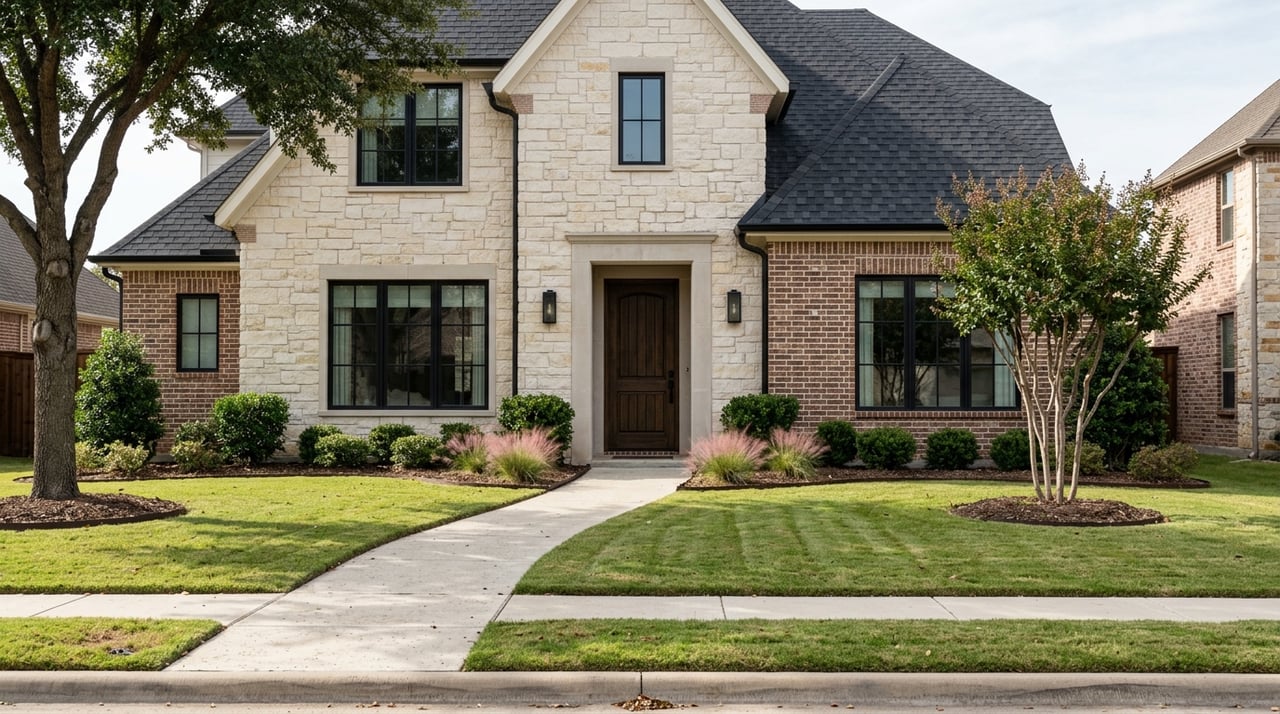
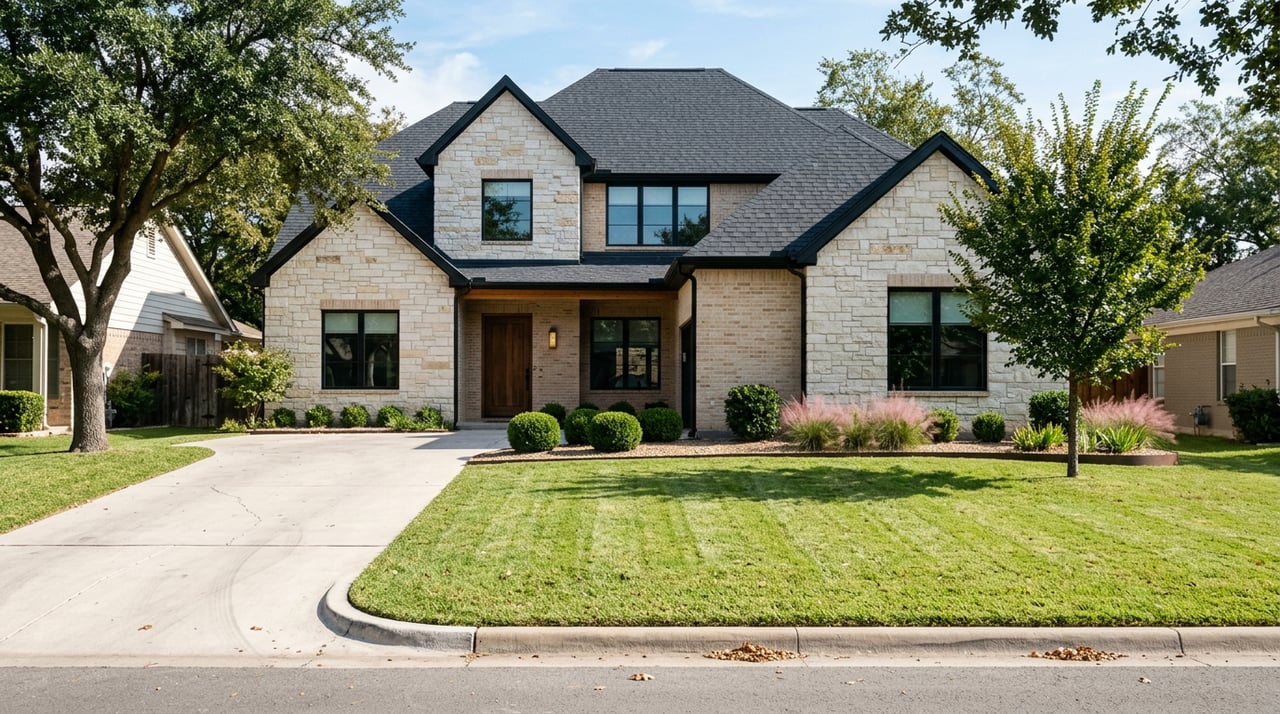
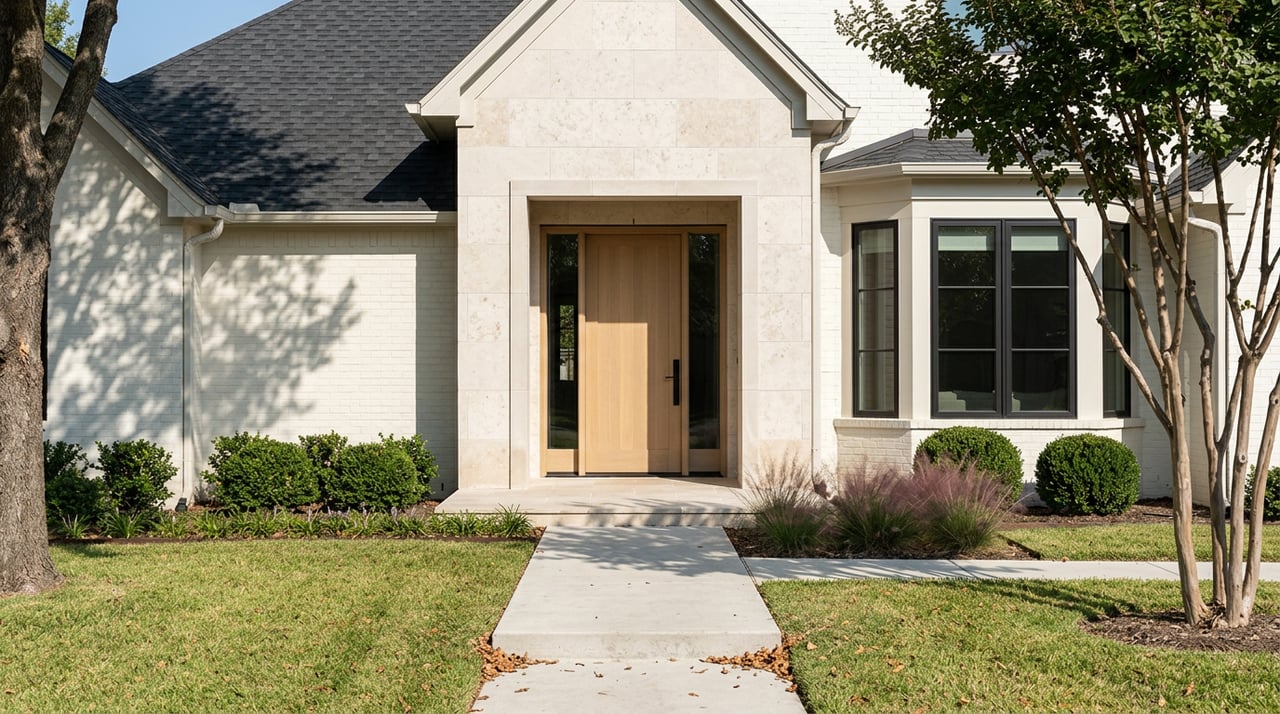
Thinking about Celina or Prosper for your next move, but not sure which one fits your day-to-day life best? You’re not alone. Both cities are growing fast, offer beautiful new communities, and sit just north of major job hubs in Frisco and Plano. In this guide, you’ll learn how commute patterns, housing types, HOAs and MUDs, and everyday conveniences differ so you can choose with confidence. Let’s dive in.
Celina vs. Prosper at a glance
Both Celina and Prosper are suburban cities north of the core Dallas–Plano–Frisco employment centers. Growth is fueled by new master-planned communities and a steady pipeline of new homes. Boundaries can cross Collin and Denton Counties, so tax jurisdictions and services vary by parcel. Always verify the property’s county, city, and utility districts before you write an offer.
If you want a quick way to think about it:
- Celina often draws buyers who want larger lots and a semi-rural or lower-density feel in select neighborhoods. You’ll find many new builds and room to spread out.
- Prosper typically offers a wide mix of suburban options, including amenity-rich communities and higher-end sections, with more established access to nearby retail in many areas.
Your best fit will hinge on commute tolerance, preferred lot size, HOA and MUD comfort level, and the type of neighborhood experience you want day to day.
Commute reality and planning
Both cities are mostly car-dependent. There is very limited regional rail or fixed-route transit serving Celina or Prosper for daily commuting. Most residents drive to Frisco, Plano, McKinney, or farther south.
Key corridors to know:
- U.S. 380 for east–west travel
- Dallas North Tollway and feeder roads for north–south access toward Frisco and Plano
- Preston Road and other state highways that link to local collectors
Travel time varies by where you live within each city, your access to toll roads, and the time of day. Two homes only a few miles apart can have different AM and PM drive experiences. The most reliable way to evaluate your commute is to test it from specific neighborhoods during the hours you plan to travel.
What to do next:
- Map your routes to work, schools, and frequent destinations and test them in real time during peak hours.
- Watch for planned tollway and road projects that may change drive times or add construction noise over time.
- Consider your tolerance for toll expenses versus surface-street alternatives.
Homes, lots, and the new-build pipeline
New or near-new single-family homes are common in both cities. Many neighborhoods are master planned with parks, pools, trails, and community centers. Resale supply can be thinner in the newest sections, so timing and builder inventory matter.
What you’ll typically find:
- Celina: Larger lot footprints are common in many areas, with a semi-exurban feel available in select neighborhoods. You’ll see a mix of master-planned sections and lower-density pockets that appeal if you want bigger yards or room for future projects.
- Prosper: A broad mix of traditional suburban lot sizes and higher-end or gated sections with robust amenities. Density and lot size vary by neighborhood.
Builders range from national brands to custom options. Each builder has its own contract terms, finish packages, warranty coverage, and post-closing completion schedules. If you are comparing builder A vs. builder B, request warranty details, delivery timelines, and a list of included features so you can make an apples-to-apples decision.
Supply pipeline insight:
- Active plats and annexations are frequent as both cities grow. City planning and permit dashboards can confirm how many lots remain in a phase and the likely pace of future construction.
- In neighborhoods with a lot of new deliveries, short-term resale competition can be higher. Review recent sales and inventory in that specific section, not just the broader city.
HOAs, MUDs, taxes, and total cost of ownership
Most master-planned communities have HOAs. Some have a master HOA plus section-level HOAs, while others use a single association. What’s covered can vary widely.
What to verify in HOA documents:
- Current dues, billing frequency, and any recent increases
- Reserve studies, special assessments, or planned capital projects
- Rental and short-term rental rules
- Architectural review process and approval timelines for exterior changes
- Any transfer or move-in fees at closing
Municipal Utility Districts (MUDs) are common in newer subdivisions and help finance infrastructure like water, sewer, and drainage. MUDs levy a tax in addition to city, county, and school taxes. Early in a development, MUD tax rates can be higher due to bond debt, then change over time as bonds are repaid and services come online.
How MUDs affect your budget:
- Effective property tax rates vary by subdivision depending on city, county, school district, and special districts.
- Ask for the most recent property tax bill and any available MUD disclosures to see current rates and bond obligations.
- Understand which services the MUD funds versus what the city or HOA handles.
Insurance and utilities:
- Homeowners insurance premiums depend on home features, replacement cost estimates, and proximity to services like fire stations.
- Broadband access varies by development and phase. Many new homes offer fiber options, but you should verify availability from providers for the specific address.
Everyday conveniences and lifestyle tradeoffs
Retail, dining, and services are expanding across both cities, though larger selections are still more common in nearby Frisco, Plano, and McKinney. You can typically handle daily errands close to home, but you may drive to neighboring cities for specialty shopping, medical facilities, and entertainment.
Healthcare access follows a similar pattern. Urgent care and primary care options are increasingly available within Celina and Prosper, while hospitals and specialty centers are often located in adjacent larger suburbs. Map drive times to your preferred providers to understand your routine.
For recreation, many communities include pools, trails, playgrounds, and gathering spaces. If you value space for detached structures or an equestrian-friendly lifestyle, you may find more options in select Celina neighborhoods with larger lots and a lower-density feel.
How to choose: A practical decision checklist
Use this checklist to compare neighborhoods side by side. Score each item from 1 to 5 based on how well a neighborhood fits your needs, then total the scores to rank options.
- Commute tolerance: acceptable one-way time during AM peak; comfort with tolls
- Lot size and outdoor lifestyle: minimum lot size or acreage needed
- Home type and age: new construction or resale; single-level or two-story
- HOA and MUD comfort: acceptable dues range; appetite for MUD taxes and bond timelines
- Budget and carry cost: price point plus taxes, HOA, MUD, and insurance
- Amenities priority: on-site pool, fitness, trails, or golf versus proximity to town-center services
- Resale horizon: 3–5 years or 7–10 years
- Utilities and broadband: internet speed requirements and energy preferences
- Noise and traffic sensitivity: proximity to major roads, construction zones, or community hubs
Your neighborhood shortlist session
Here’s a systematic plan to narrow your choice between Celina and Prosper.
Step 1: Prework (24–48 hours before touring)
- Complete the Decision Criteria Checklist and mark must-haves vs. nice-to-haves.
- Pull a mix of 6–8 candidate neighborhoods: 3–4 in Celina and 3–4 in Prosper, spanning larger-lot options, amenity-rich master plans, gated or higher-end sections, and select new-build areas.
- For each neighborhood, review 2–3 representative homes, including recent sales, active inventory, building permits, and HOA/MUD disclosures.
Step 2: Mapping and commute tests
- Map routes from each neighborhood to your primary destinations and run live AM and PM drive tests.
- Note distances to the nearest grocery, urgent care or hospital, major retail, and a casual dining cluster.
Step 3: On-the-ground visits
- Drive the perimeter and internal streets during peak and off-peak times.
- Pass by nearby schools, parks, and retail nodes to understand proximity and traffic patterns.
- Observe lot orientation, yard size norms, street slope, and any stormwater ponds or major arterials.
Step 4: Documentation and next steps
- For 2–3 finalists, request HOA documents, recent tax bills, seller disclosures for resale homes, and builder warranty information and completion timelines for new construction.
- If considering new builds, get lot pricing, phase plat maps, and the expected number of future neighbors.
- Prepare your offer strategy, including preferred closing timeline, upgrade requests, and potential seller concessions related to HOA reserves or MUD items.
Red flags to check before you write an offer
- Unpaid or escalating MUD bond obligations that could affect taxes
- HOA reserve shortfalls, special assessments, or pending major repairs
- Large-scale nearby developments that could change traffic or noise
- Any lot within a mapped floodplain or with unclear drainage plans
- Limited resale comps in very new sections that make pricing less certain
- Incomplete utility or broadband service to the specific lot or phase
- Builder completion delays or warranty disputes reported by owners
Flood risk and site-level considerations
Some parcels may sit in FEMA-mapped floodplains or near local drainage easements. Ask for an elevation certificate for finished lots in flood-prone areas and review builder site-drainage plans. Confirm whether any lot-level grading or mitigation was done and whether additional insurance might be required based on the flood zone classification.
Crime and municipal services
Both Celina and Prosper maintain municipal police departments. For current, neighborhood-level context, use official police department reports or state crime data portals. Compare response times and service information published by the cities to understand how services align with your expectations.
Putting it together: Which is your best fit?
If your top priority is a larger lot and a lower-density feel in certain areas, Celina may rise to the top. If you want a broad mix of suburban neighborhoods, amenity-rich communities, and a closer position to established retail in many sections, Prosper may fit your lifestyle. Either way, your final choice should line up with your commute tolerance, lot size goals, HOA and MUD comfort, and budget for ongoing costs.
When you approach the process with a structured plan and neighborhood-specific data, you can make a confident decision and enjoy your lifestyle from day one.
Ready to explore a curated shortlist and test real commutes in person? Reach out to Tiffany West to schedule a focused consultation and neighborhood tours tailored to your goals.
FAQs
What’s the commute difference between Celina and Prosper?
- Both are car-dependent with limited transit. Commute times vary by proximity to the Dallas North Tollway, U.S. 380, and local feeders, so test your AM and PM routes from specific neighborhoods.
How do HOAs and MUDs affect monthly costs in these suburbs?
- HOAs cover community standards and amenities with dues that vary by neighborhood, while MUDs add a separate tax to fund infrastructure. Review current dues, tax bills, and MUD disclosures before offering.
Are larger lots easier to find in Celina?
- Many Celina neighborhoods offer larger lot footprints and a semi-rural feel, while Prosper provides a broader mix from traditional suburban lots to amenity-rich and higher-end sections.
What should I review in HOA documents before buying?
- Confirm dues and increase history, reserves and assessments, rental rules, architectural approvals, and any transfer or move-in fees so you know the constraints and obligations upfront.
Is new construction common in both Celina and Prosper?
- Yes. New or near-new single-family homes are prevalent in both cities. Compare builder warranties, delivery timelines, and included features, and check the phase’s remaining lot count.
Where will I find most healthcare and major retail?
- Daily errands are often available locally, but many residents drive to nearby Frisco, Plano, or McKinney for hospitals, specialty medical care, major retail, and broader dining and entertainment options.