What To Expect When Building A Home In Celina
February 19, 2026
February 19, 2026
Thinking about building a home in Celina but not sure where to start? You are not alone. Between lot premiums, design choices, permits, and timelines, there is a lot to manage. This guide gives you a clear, local roadmap so you can plan with confidence and avoid costly missteps. You will learn how Celina’s process works, what decisions come first, and how to keep your build on schedule and on budget. Let’s dive in.
Celina is one of Collin County’s fastest growing areas, with master-planned communities adding parks, trails, and amenities. Recent retail and infrastructure commitments signal strong long-term momentum. For example, a major grocer purchased land in Celina, which reflects developer confidence and future retail growth in the area. You can see the report in the Dallas Morning News on the H-E-B land purchase in Celina.
You will find multiple national and regional builders operating here, often side by side in the same community and across a range of lot sizes. Many neighborhoods include robust amenity packages and active HOA management.
One key local detail: school districts and utilities vary by subdivision. Some neighborhoods are zoned to Celina ISD, others to Prosper ISD or nearby districts. To verify your exact providers and HOA contact for a specific address, use the City’s Celina Resident Resources dashboard.
Your early choices shape everything else. Focus on:
In Celina you will typically pick from three paths: a quick‑move‑in spec, a production plan on a specific lot, or a semi‑custom or custom build. Each contract type handles pricing, upgrades, and termination rights differently. Review your builder’s agreement line by line before you sign.
For financing, many buyers use construction‑to‑permanent loans or builder programs. Construction funds are paid in draws as work is completed, and you often make interest‑only payments during the build. The Consumer Financial Protection Bureau explains how construction loans work, including draw schedules and higher down payment needs. Learn more in this CFPB guide to construction loans.
Budget for reserves beyond your down payment. Upgrades, change orders, rate locks, and temporary housing if the schedule slips can add up. A prudent buffer helps you stay in control.
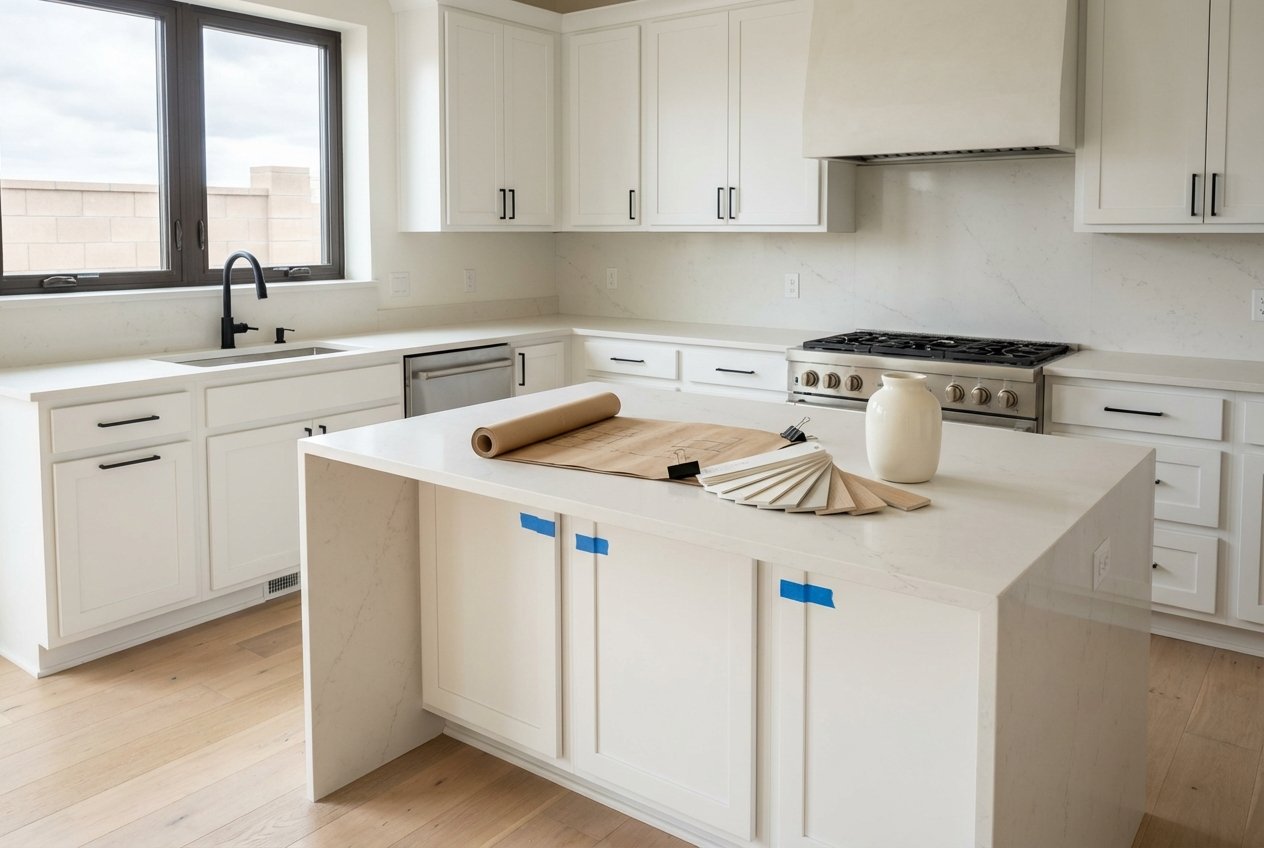
Structural choices come first, often before the foundation is poured. These include options tied to the lot and framing, like bay windows, extended patios, or roofline changes. Finish selections, such as cabinets and tile, follow in scheduled design center sessions.
The design center is where many buyers overspend. Allowances can run out fast, and markups are common. Prioritize structural and functional upgrades that are hard to change later. For more strategies, see this new construction buyer playbook.
Celina’s Building Services oversees residential permits and inspections. The city enforces the 2024 ICC codes, effective February 1, 2026. Permits can expire after 180 days without inspection progress, so steady activity matters. Depending on when your permit was submitted, builders use MyGov or MGO Connect to schedule inspections. You can confirm details on the Celina permitting and inspections page.
Most production builders pull permits for you, but always verify the permit holder and inspection schedule. Typical municipal hold-points include pre‑backfill utilities, foundation and slab, framing, mechanical/electrical/plumbing rough‑ins, insulation and energy, and then final/CO. For a quick overview of staged construction steps, review this guide to the key steps of construction in Dallas.
Another Celina-specific point: the city generally will not issue site permits for lots that are not on an approved final plat. Confirm plat status and required public improvements. You can reference the city’s code guidance here: Celina plat and permitting code reference.
Independent third‑party inspections are strongly recommended. Schedule at least pre‑pour and pre‑drywall, then a final inspection before closing. Many buyers also order an 11‑month inspection to capture items covered by the one‑year workmanship warranty.
For production homes in markets like DFW, construction frequently takes about 6 to 12 months once ground breaks. Custom homes often run 10 to 16 months or longer. Weather, utilities, permits, supply chains, labor, and change orders are the usual delay drivers. See a national overview of phases and costs in this AmeriSave build timeline explainer.
A typical production home sequence looks like this:
Treat these as estimates. Build in buffer time for mortgage rate locks and temporary housing if needed.
Most builders schedule a pre‑delivery inspection a week or two before closing, then a final walk right before you sign. Bring a checklist, a flashlight, and an outlet tester. Independent inspectors often catch items that municipal inspections do not focus on.
Texas builders commonly provide a tiered warranty structure often described as 1‑2‑10: one year for workmanship, two years for major systems, and up to ten years for major structural defects. Get the full warranty packet in writing and calendar an 11‑month inspection before the one‑year mark. You can see how structural coverage typically works in this 2‑10 Home Buyers Warranty overview.
Many master‑planned communities use a mix of HOA dues and special assessments through a PID or MUD. These fund infrastructure and can increase your effective tax rate. Check the subdivision’s public disclosures and the county appraisal district for the latest values. Market snapshots of Celina’s tax trends show how rates and bills evolve as the city grows. See a high‑level Celina property tax trends overview to understand context.
The DFW region is known for expansive clay soils. Proper site prep, compaction testing, and foundations designed for local conditions help reduce long‑term movement. Ask for the geotechnical report or developer soil information for your lot and confirm how the builder addresses soil conditions in the warranty. Regional engineering guidance often flags expansive clays as a design consideration. You can see an example reference in this public project manual noting expansive clays.
It is common to exceed allowances during selections. Focus on high‑impact structural items now and consider tackling some cosmetic items after closing. For smarter design budgeting, review this new‑construction buyer playbook.
Late changes are costly and can push inspections and trades back. Finalize structural options early and keep a 5 to 10 percent contingency for reasonable change orders and schedule wiggle room. Consistent documentation and progress photos help you spot issues early.
Do not assume your provider or school district. Confirm the exact electric service territory, water provider, natural gas, fiber option, trash pickup, and HOA contact for your specific address using the City’s Resident Resources dashboard. School assignments shift with new growth, so verify zoning before you purchase.
Builder sales reps work for the builder. Your agent represents your interests, registers you at the model, and helps protect incentives and credits. A seasoned new‑construction agent negotiates design credits, interest‑rate buydowns, lot premiums, and closing costs, and helps you manage deadlines and inspections.
Texas requires clear brokerage disclosures. Review the state’s Information About Brokerage Services form so you know who represents whom.
A strong agent also brings process discipline:
Building in Celina can be a smart move if you plan ahead. Start with the right lot, confirm taxes and utilities, lock in structural choices early, and keep a firm handle on inspections and documentation. With a clear roadmap and steady communication, you can enjoy the process and move in with confidence.
If you want a project‑managed build from lot selection to final walkthrough, reach out to Tiffany West. You will get disciplined guidance, clear timelines, and advocacy at every step.
Stay up to date on the latest real estate trends.





Get assistance in determining current property value, crafting a competitive offer, writing and negotiating a contract, and much more. Contact Tiffany today to discuss all your real estate needs!